
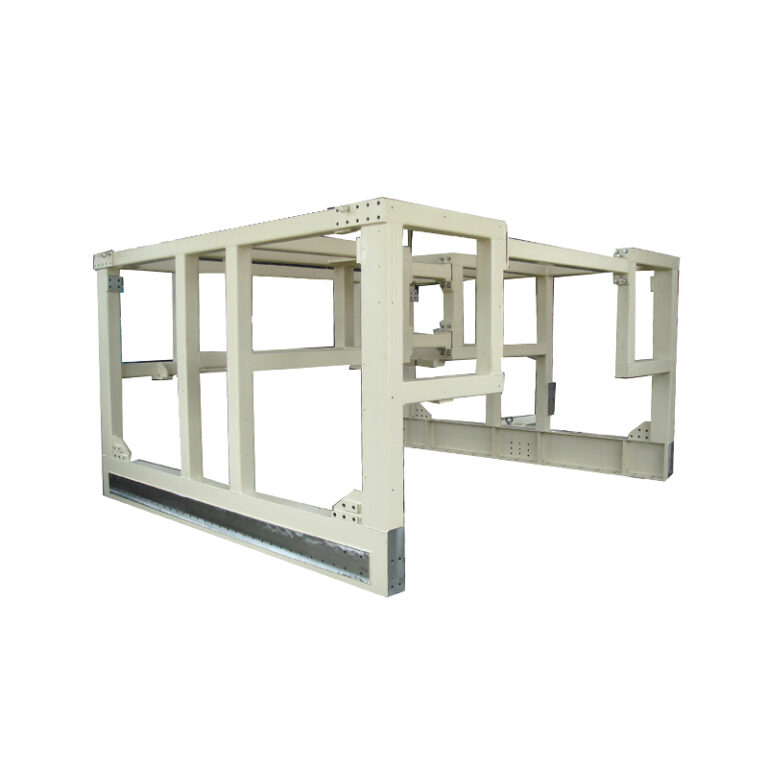
Industries around the world rely on strong, durable, and precisely engineered metal components to support large-scale operations. From construction and mining to transportation and energy production, heavy metal fabrication plays a critical role in creating structures and equipment that can withstand demanding environments.
As industrial projects become more complex, manufacturers require advanced fabrication techniques to ensure strength, accuracy, and long-term reliability. This is where Newtop Industry Group delivers value through quality manufacturing solutions designed to meet diverse industry needs.
What Is Heavy Metal Fabrication?
Heavy metal fabrication refers to the process of cutting, shaping, welding, assembling, and finishing large metal components used in industrial applications. Unlike light fabrication, which focuses on smaller products, heavy fabrication deals with thick metal plates, structural steel, and large-scale assemblies.
The process transforms raw materials into functional products such as:
- Structural frameworks
- Industrial machinery components
- Heavy equipment parts
- Storage tanks
- Pressure vessels
- Transportation infrastructure
- Energy production systems
The goal is to create durable products capable of handling extreme loads, temperatures, and operational conditions.
Why Heavy Metal Fabrication Is Essential for Modern Industries
Industrial sectors depend on high-strength metal structures to maintain productivity and safety. Proper fabrication ensures that every component meets engineering specifications and performs reliably throughout its service life.
Key reasons industries invest in heavy metal fabrication include:
- Increased structural strength
- Improved operational safety
- Enhanced equipment lifespan
- Greater design flexibility
- Better load-bearing capabilities
- Cost-effective long-term performance
These advantages make fabricated metal products indispensable across multiple sectors.
Major Processes Used in Heavy Metal Fabrication
Creating large industrial components involves several specialized manufacturing techniques.
Metal Cutting
Metal cutting is the first step in most fabrication projects. Advanced technologies allow manufacturers to achieve precise dimensions and clean edges.
Common cutting methods include:
- Laser cutting
- Plasma cutting
- Waterjet cutting
- Flame cutting
- Mechanical sawing
Accurate cutting reduces material waste and improves assembly efficiency.
Metal Forming
After cutting, metal sheets and plates are shaped according to project requirements.
Typical forming processes include:
- Bending
- Rolling
- Press braking
- Stamping
These methods help create complex geometries while maintaining structural integrity.
Industrial Metal Fabrication Welding
Welding is one of the most critical stages in fabrication. Strong welds ensure the finished product can withstand operational stresses.
Common welding techniques include:
- MIG welding
- TIG welding
- Arc welding
- Submerged arc welding
Skilled welders and quality inspections are essential for achieving reliable results.
Assembly and Integration
Individual components are assembled into complete structures or machinery systems. Precision alignment ensures proper functionality and performance.
Surface Finishing
Protective coatings improve corrosion resistance and product longevity.
Popular finishing options include:
- Powder coating
- Sandblasting
- Galvanizing
- Painting
- Polishing
These treatments help fabricated products perform effectively in harsh environments.
Key Materials Used in Heavy Metal Fabrication
Different projects require different materials depending on strength, corrosion resistance, and operating conditions.
Carbon Steel
Carbon steel is widely used because of its strength and affordability. It is ideal for structural applications and heavy machinery.
Stainless Steel
Stainless steel offers excellent corrosion resistance and durability, making it suitable for food processing, chemical plants, and marine environments.
Aluminum
Aluminum provides a lightweight solution while maintaining excellent strength-to-weight performance.
Alloy Steel
Alloy steel delivers enhanced mechanical properties for high-performance industrial applications.
Choosing the right material significantly impacts product performance and lifespan.
Industries That Depend on Heavy Steel Fabrication
Many industries rely on fabricated metal structures to support critical operations.
Construction Industry
Large commercial and infrastructure projects use fabricated steel components for:
- Bridges
- Buildings
- Stadiums
- Industrial facilities
Mining Industry
Mining operations require durable equipment capable of operating under extreme conditions.
Examples include:
- Conveyors
- Crushers
- Excavator components
- Processing equipment
Energy Sector
Energy facilities depend on fabricated structures for reliable performance.
Applications include:
- Power plants
- Wind energy systems
- Oil and gas facilities
- Renewable energy projects
Transportation Industry
Fabricated metal components are essential for:
- Rail systems
- Shipping infrastructure
- Heavy vehicles
- Logistics equipment
Manufacturing Facilities
Factories utilize fabricated systems to improve production efficiency and equipment durability.
Benefits of Professional Custom Metal Fabrication
Working with experienced fabrication specialists offers several advantages.
Improved Product Quality
Professional fabrication teams follow strict quality standards throughout production.
Benefits include:
- Better dimensional accuracy
- Consistent quality
- Reduced defects
- Reliable performance
Enhanced Customization
Every project has unique requirements. Custom metal fabrication allows manufacturers to create solutions tailored to specific operational needs.
Cost Efficiency
Although quality fabrication requires investment, it reduces maintenance costs and extends product lifespan, delivering greater value over time.
Faster Project Completion
Advanced equipment and streamlined workflows help manufacturers complete projects efficiently while maintaining quality standards.
Better Compliance
Professional fabricators ensure products meet industry regulations, safety standards, and engineering specifications.
Factors to Consider When Choosing a Fabrication Partner
Selecting the right fabrication company directly impacts project outcomes.
Experience and Expertise
Look for manufacturers with extensive experience handling complex industrial projects.
Advanced Equipment
Modern fabrication facilities should utilize technologies such as:
- CNC machining
- Laser cutting systems
- Automated welding equipment
- Precision inspection tools
Quality Assurance
Reliable manufacturers implement comprehensive quality control procedures throughout production.
Material Capabilities
A strong fabrication partner should work with multiple metal types and thicknesses.
Custom Engineering Support
Engineering expertise helps optimize designs, improve manufacturability, and reduce production costs.
How Newtop Industry Group Supports Industrial Manufacturing
Newtop Industry Group provides comprehensive manufacturing solutions designed to meet the evolving demands of global industries. By combining advanced production capabilities, skilled engineering teams, and rigorous quality standards, the company helps businesses obtain reliable fabricated components for a wide range of applications.
Whether a project requires structural assemblies, precision-machined parts, or large-scale fabricated systems, Newtop Industry Group focuses on delivering products that meet exact specifications and performance expectations.
The company’s commitment to innovation, efficiency, and customer satisfaction makes it a trusted manufacturing partner for businesses seeking dependable fabrication solutions.
Future Trends in Heavy Metal Fabrication
The fabrication industry continues to evolve through technological advancements and changing market demands.
Emerging trends include:
- Automation and robotics
- Smart manufacturing systems
- Digital quality inspection
- Sustainable production practices
- Advanced welding technologies
- Improved material efficiency
These innovations are helping manufacturers achieve higher productivity, better accuracy, and lower operational costs.
Conclusion
As industries continue to expand and modernize, the demand for reliable heavy metal fabrication services remains stronger than ever. High-quality fabrication ensures that industrial structures, machinery, and equipment perform safely and efficiently in demanding environments.
From material selection and cutting to welding and final assembly, every stage contributes to the strength and durability of the finished product. Partnering with an experienced manufacturer helps businesses reduce risks, improve operational efficiency, and achieve long-term project success. Newtop Industry Group is committed to providing professional fabrication solutions that support industrial growth and innovation. If your business requires dependable heavy metal fabrication, expert engineering support, and customized manufacturing services, Newtop Industry Group can help deliver results that meet your project goals.