
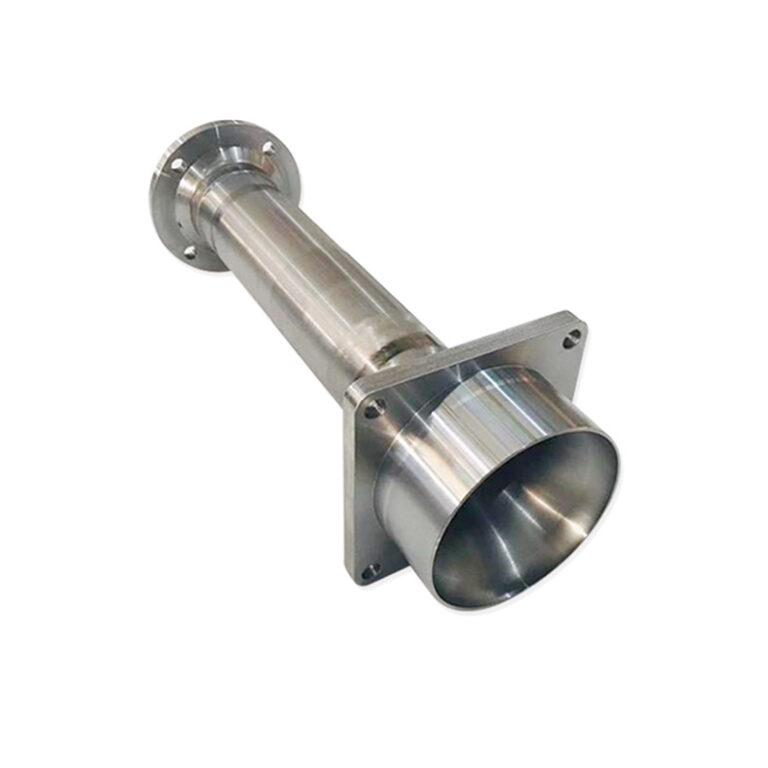
Modern industries depend on strong, durable, and reliable materials to maintain product quality and operational efficiency. Among the many metal processing methods available today, stainless steel fabrication stands out as one of the most trusted solutions for industrial manufacturing. From construction and automotive parts to food processing equipment and medical devices, fabricated stainless steel products are used almost everywhere.
Newtop Industry Group has become a trusted name in advanced metal manufacturing solutions. The company focuses on delivering precision-engineered components that meet the demands of different industries worldwide. With the growing need for durable and corrosion-resistant materials, businesses continue to rely on professional fabrication services to improve product performance and long-term value.
This article explains the complete process, benefits, applications, and future trends of stainless steel fabrication in modern manufacturing.
What Is Stainless Steel Fabrication?
Stainless steel fabrication is the process of cutting, bending, shaping, welding, and assembling stainless steel materials into finished products or industrial components. The process transforms raw stainless steel sheets, pipes, or bars into custom-designed structures used in various industries.
Fabrication combines engineering knowledge with advanced machinery to create precise and durable products. The final output depends on the required design, material grade, and industrial application.
Common Fabrication Processes
Cutting
Cutting is the first step in most fabrication projects. Manufacturers use methods such as:
- Laser cutting
- Plasma cutting
- Waterjet cutting
- Mechanical sawing
These techniques ensure accurate dimensions and smooth edges.
Bending and Forming
Bending shapes stainless steel into specific angles or curves. Press brakes and rolling machines are commonly used for this purpose.
Welding
Welding joins multiple stainless steel parts together. Skilled welders use TIG, MIG, and spot welding methods depending on the project requirements.
Finishing
Finishing improves both appearance and performance. Common finishing techniques include:
- Polishing
- Brushing
- Sandblasting
- Powder coating
Why Stainless Steel Is Ideal for Fabrication
Stainless steel offers several advantages that make it one of the most preferred industrial materials.
Excellent Corrosion Resistance
One major benefit of stainless steel is its ability to resist rust and corrosion. This makes it suitable for harsh environments such as marine industries, chemical plants, and food processing facilities.
High Strength and Durability
Stainless steel products maintain structural strength even under heavy loads and extreme temperatures. As a result, fabricated components last longer and require less maintenance.
Hygienic Surface
The smooth surface of stainless steel prevents bacteria buildup. Therefore, industries such as healthcare and food manufacturing widely use fabricated stainless steel equipment.
Attractive Appearance
Apart from functionality, stainless steel also provides a clean and modern appearance. Many architectural projects use fabricated stainless steel for decorative purposes.
Industries That Use Stainless Steel Fabrication
Today, nearly every industrial sector depends on fabricated stainless steel products.
Construction Industry
Construction companies use fabricated stainless steel for:
- Structural frameworks
- Handrails
- Roofing systems
- Decorative panels
Its durability and weather resistance make it a reliable construction material.
Food and Beverage Industry
Food manufacturers prefer stainless steel because it maintains hygiene standards. Fabricated equipment includes:
- Storage tanks
- Conveyor systems
- Kitchen equipment
- Processing machines
Newtop Industry Group supports industrial clients by providing precision manufacturing solutions designed for strict quality standards.
Medical Sector
Hospitals and laboratories use stainless steel fabrication for:
- Surgical instruments
- Medical carts
- Sterilization equipment
- Laboratory furniture
The material’s resistance to contamination is especially important in healthcare settings.
Automotive Industry
Automotive manufacturers use fabricated stainless steel parts for:
- Exhaust systems
- Structural supports
- Fuel tanks
- Decorative trims
The material provides both strength and corrosion protection.
Energy and Power Plants
Power generation facilities require strong metal components capable of handling high temperatures and pressure. Stainless steel fabricated parts support long-term operational safety.
Key Benefits of Professional Stainless Steel Fabrication
Choosing professional fabrication services offers several business advantages.
Precision Engineering
Advanced machinery ensures accurate dimensions and consistent quality. This reduces production errors and improves product reliability.
Custom Design Flexibility
Every industry has unique requirements. Fabrication allows manufacturers to create customized products according to exact specifications.
Long-Term Cost Savings
Although stainless steel may have a higher initial cost, its durability reduces maintenance and replacement expenses over time.
Sustainability
Stainless steel is recyclable and environmentally friendly. Many manufacturers now choose sustainable production methods to reduce environmental impact.
Modern Technologies Used in Stainless Steel Fabrication
Technology has transformed the fabrication industry significantly over the past decade.
CNC Machining
Computer Numerical Control (CNC) machines improve precision and automation during the fabrication process. These systems reduce material waste and improve efficiency.
Laser Cutting Technology
Laser cutting delivers highly accurate cuts with clean edges. It is ideal for complex designs and thin materials.
Robotic Welding
Robotic welding improves consistency and production speed. Many large-scale manufacturers now use automated welding systems for better quality control.
3D Design Software
Engineers use advanced design software to create detailed fabrication models before production begins. This helps avoid costly mistakes during manufacturing.
Newtop Industry Group uses modern engineering techniques to support efficient and accurate production processes for global industries.
Important Stainless Steel Grades Used in Fabrication
Different stainless steel grades serve different industrial purposes.
Grade 304 Stainless Steel
This is the most commonly used stainless steel grade. It offers excellent corrosion resistance and good formability.
Common Uses
- Kitchen equipment
- Storage tanks
- Industrial piping
Grade 316 Stainless Steel
Grade 316 contains molybdenum, which improves corrosion resistance in marine and chemical environments.
Common Uses
- Marine equipment
- Chemical processing systems
- Medical devices
Grade 430 Stainless Steel
This grade is more affordable and suitable for decorative applications.
Common Uses
- Home appliances
- Interior decorations
- Automotive trim
Challenges in Stainless Steel Fabrication
While stainless steel offers many advantages, fabrication also presents certain challenges.
Heat Distortion
Excessive heat during welding may distort the material. Skilled professionals must carefully control temperatures during production.
Material Hardness
Stainless steel is harder than many other metals. Therefore, specialized tools and machinery are necessary for precise fabrication.
Surface Scratches
Improper handling can damage the material surface. Fabricators must use proper storage and finishing methods to maintain appearance quality.
Experienced manufacturers like Newtop Industry Group follow strict production standards to overcome these challenges efficiently.
How to Choose the Right Fabrication Partner
Selecting the right fabrication company directly affects product quality and business success.
Evaluate Industry Experience
Choose a company with proven expertise in handling complex fabrication projects across different industries.
Check Manufacturing Capabilities
Reliable manufacturers should offer:
- Advanced machinery
- Skilled workforce
- Quality testing systems
- Custom engineering support
Review Quality Standards
A professional fabrication company follows international manufacturing and safety standards to ensure reliable results.
Customer Support Matters
Good communication and technical support help businesses complete projects smoothly and on time.
Future Trends in Stainless Steel Fabrication
The fabrication industry continues to evolve with changing industrial demands.
Automation and Smart Manufacturing
Factories increasingly use automated systems and artificial intelligence to improve production speed and accuracy.
Sustainable Manufacturing
Companies are adopting eco-friendly fabrication methods to reduce waste and energy consumption.
Lightweight Engineering Designs
Manufacturers are developing lightweight stainless steel structures without sacrificing strength or durability.
Increased Demand for Customization
Customers now prefer highly customized solutions for specialized industrial applications.
Newtop Industry Group continues to adapt to modern industry trends by focusing on innovation, precision, and customer-focused manufacturing solutions.
Maintenance Tips for Fabricated Stainless Steel Products
Proper maintenance extends the lifespan of fabricated products.
Regular Cleaning
Use mild cleaning solutions to remove dirt and prevent surface contamination.
Avoid Harsh Chemicals
Certain chemicals may damage the protective surface layer of stainless steel.
Inspect Welded Areas
Routine inspections help identify small issues before they become serious problems.
Protect Against Mechanical Damage
Proper handling prevents scratches, dents, and structural damage during transportation and installation.
Conclusion
Modern industries require materials that combine durability, strength, hygiene, and long-term value. That is why stainless steel fabrication remains an essential part of industrial manufacturing worldwide. From construction and healthcare to automotive and food processing, fabricated stainless steel products continue to support innovation and operational efficiency.
Newtop Industry Group plays an important role in delivering high-quality fabrication solutions that meet modern industrial demands. By using advanced manufacturing technologies and maintaining strict quality standards, the company supports businesses looking for reliable and customized engineering solutions. As industries continue to evolve, stainless steel fabrication will remain a key driver of sustainable and efficient manufacturing. Businesses seeking dependable metal fabrication solutions can benefit greatly from partnering with experienced manufacturers like Newtop Industry Group.