
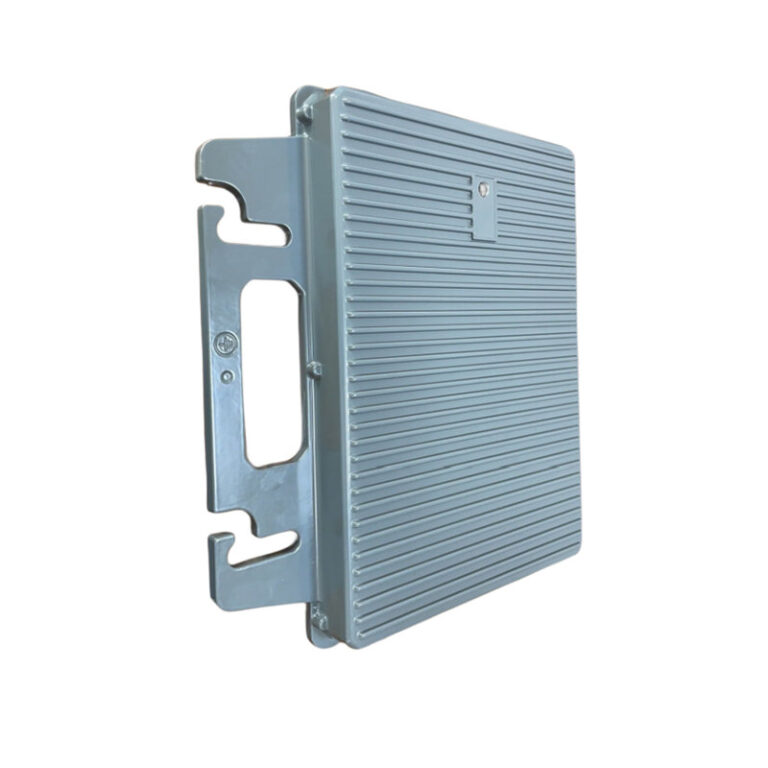
Modern industries rely on strong, precise, and reliable metal components. From construction to automotive production, manufacturers need solutions that match exact project requirements. This is where custom metal fabrication becomes essential. It allows companies to create metal products tailored to specific designs, sizes, and functions.
Today, businesses want faster production, better material quality, and cost-effective manufacturing methods. As a result, custom fabrication services have become more valuable than ever. Companies such as Newtop Industry Group help industries meet these changing demands with advanced fabrication technologies and precision engineering.
In this article, you will learn how custom metal fabrication supports industrial growth, improves efficiency, and delivers long-term value across multiple sectors.
Understanding Custom Metal Fabrication
Custom metal fabrication is the process of designing, cutting, shaping, and assembling metal materials into finished products based on unique customer requirements. Unlike mass production, custom fabrication focuses on flexibility and precision.
The process may involve:
- Cutting
- Welding
- Bending
- Machining
- Assembly
- Surface finishing
Fabricators use materials such as:
- Stainless steel
- Aluminum
- Copper
- Carbon steel
- Brass
Because every project has different specifications, custom fabrication allows manufacturers to create components that fit perfectly into industrial systems.
Why Industries Prefer Custom Fabrication
Industries today need products that meet exact performance standards. Standard parts often fail to provide the required strength, size, or durability. Therefore, many businesses choose custom metal fabrication for better results.
Greater Design Flexibility
Custom fabrication allows engineers to create products according to project needs. This flexibility helps manufacturers improve product functionality and efficiency.
For example:
- Automotive companies require lightweight yet strong components
- Construction firms need structural steel parts with exact dimensions
- Medical equipment manufacturers need high precision metal assemblies
Because of this adaptability, fabricated products perform better in demanding environments.
Improved Product Quality
Precision fabrication ensures accurate dimensions and strong structural integrity. Advanced manufacturing technologies reduce production errors and improve consistency.
Newtop Industry Group uses modern fabrication equipment to maintain high-quality standards throughout production.
Better Material Selection
Different industries require different materials. Custom fabrication makes it easier to choose metals based on:
- Corrosion resistance
- Heat tolerance
- Strength
- Weight
- Durability
As a result, businesses can optimize performance while controlling production costs.
Key Processes Used in Custom Metal Fabrication
Several fabrication techniques work together to produce finished metal products. Each process plays a critical role in achieving the desired outcome.
Metal Cutting
Cutting is one of the first steps in fabrication. Manufacturers use methods such as:
- Laser cutting
- Plasma cutting
- Waterjet cutting
- CNC cutting
Laser cutting is especially popular because it delivers clean edges and high precision.
Metal Bending
Bending changes flat metal sheets into required shapes. Fabricators use press brakes and specialized tools to create accurate angles and curves.
This process is widely used in:
- Industrial enclosures
- Automotive frames
- Electrical cabinets
Welding and Assembly
Welding joins metal parts together permanently. Skilled welders ensure strong connections that withstand stress and pressure.
Common welding techniques include:
- TIG welding
- MIG welding
- Spot welding
After welding, technicians assemble the final product according to engineering specifications.
Surface Finishing
Finishing improves both appearance and performance. Surface treatments may include:
- Powder coating
- Polishing
- Sandblasting
- Anodizing
These finishes protect metal products from corrosion and wear.
Industries That Benefit from Custom Metal Fabrication
Custom fabrication supports a wide range of industries worldwide. Its flexibility makes it useful for both large-scale manufacturing and specialized applications.
Construction Industry
Construction companies require fabricated steel structures, staircases, frames, and support systems. Precision fabrication ensures structural safety and long-term durability.
Automotive Manufacturing
Automotive manufacturers use fabricated metal components in:
- Chassis systems
- Exhaust systems
- Engine parts
- Structural reinforcements
Lightweight fabricated parts also help improve fuel efficiency.
Aerospace Sector
The aerospace industry demands high precision and strict quality control. Fabricated aluminum and stainless steel components help maintain aircraft performance and safety.
Energy and Power Plants
Power generation facilities require durable metal systems that can handle high temperatures and pressure. Fabrication services produce pipelines, tanks, and support structures for these demanding environments.
Medical Equipment Manufacturing
Medical industries need hygienic and highly precise metal components. Stainless steel fabrication is commonly used for surgical equipment and medical machinery.
Advantages of Working with Experienced Fabricators
Choosing the right fabrication partner directly affects project success. Experienced manufacturers provide technical expertise, reliable quality, and efficient production.
Precision Engineering
Professional fabricators use advanced CNC systems and automated machinery for accurate production. Precision reduces waste and improves consistency.
Faster Production Time
Efficient fabrication processes help companies meet tight deadlines without compromising quality.
Cost Efficiency
Although custom fabrication may appear expensive initially, it often reduces long-term operational costs through:
- Better durability
- Reduced maintenance
- Improved product performance
- Lower material waste
Technical Support
Reliable fabrication companies assist clients during design, material selection, and production planning.
Newtop Industry Group supports businesses with customized fabrication solutions designed for industrial efficiency and long-term performance.
The Role of Technology in Modern Fabrication
Technology continues to transform the fabrication industry. Automation and digital manufacturing tools improve both productivity and accuracy.
CNC Machining Integration
CNC systems automate cutting, drilling, and shaping processes. This technology ensures consistent results even for complex metal parts.
3D Design Software
Advanced CAD software helps engineers create detailed product models before manufacturing begins. This reduces errors and improves production planning.
Robotics and Automation
Automated fabrication systems increase production speed while maintaining quality standards. Robotics also improve workplace safety by handling repetitive tasks.
Smart Quality Control
Modern inspection systems use digital measurements and scanning technology to ensure every component meets specifications.
How to Choose the Right Fabrication Partner
Selecting the right company is essential for achieving quality results. Before choosing a fabrication provider, businesses should evaluate several factors.
Important Things to Consider
- Industry experience
- Production capabilities
- Material expertise
- Quality certifications
- Delivery timelines
- Customer support
A trusted manufacturer should also understand project requirements clearly and communicate effectively throughout the process.
Newtop Industry Group focuses on precision manufacturing, advanced engineering, and reliable customer service to support industrial clients globally.
Future Trends in Custom Metal Fabrication
The fabrication industry continues to evolve rapidly. Several trends are shaping the future of manufacturing.
Sustainable Manufacturing
Companies now focus on reducing waste and improving energy efficiency. Recyclable metals and eco-friendly processes are becoming more common.
Increased Automation
Smart factories and robotic systems will continue improving productivity and reducing manual labor requirements.
Lightweight Metal Solutions
Industries such as automotive and aerospace increasingly demand lightweight materials for improved performance and fuel efficiency.
Digital Manufacturing Expansion
Digital technologies will allow faster prototyping, improved customization, and better production control.
Because of these advancements, custom metal fabrication will remain a critical part of modern industrial manufacturing.
Conclusion
Modern manufacturing depends heavily on precision, durability, and efficiency. Custom metal fabrication helps industries create reliable metal components that meet exact operational needs. From automotive production to energy infrastructure, custom fabrication supports innovation across multiple sectors.
With advanced technology, skilled engineering, and flexible production methods, fabrication companies can deliver high-quality solutions for complex industrial projects. Businesses that invest in professional fabrication services often benefit from better performance, lower maintenance costs, and improved operational efficiency. Newtop Industry Group continues to support industrial clients with dependable fabrication services tailored to modern manufacturing demands. Whether businesses require precision components, structural assemblies, or specialized metal products, choosing an experienced fabrication partner can make a significant difference in long-term success.