
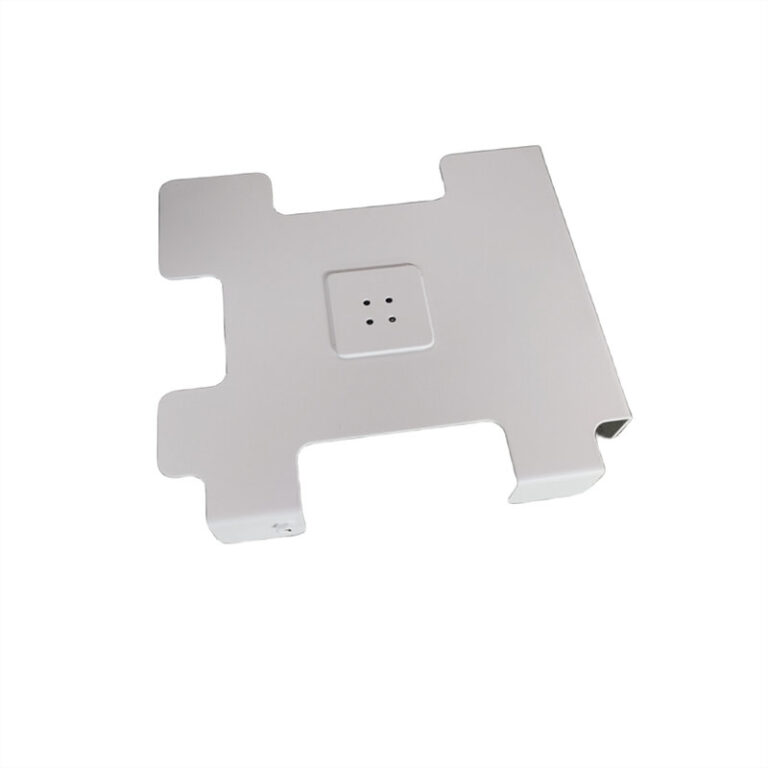
Manufacturers today need lightweight, durable, and cost-effective materials for high-performance products. That is why aluminum machining has become one of the most trusted manufacturing processes across industries. From automotive parts to aerospace components, aluminum offers excellent strength, corrosion resistance, and easy machinability.
Newtop Industry Group understands the growing demand for precision engineering and advanced production methods. With years of experience in industrial manufacturing, the company delivers reliable machining solutions that help businesses improve efficiency and product quality.
In this article, you will learn how aluminum machining works, its major advantages, popular applications, and why it plays such an important role in modern manufacturing.
What Is Aluminum Machining?
Aluminum machining is the process of cutting, shaping, drilling, or milling aluminum materials into custom components. Manufacturers use advanced CNC machines and precision tools to create accurate parts with smooth finishes and tight tolerances.
Aluminum is one of the most widely used metals in machining because it is:
- Lightweight
- Strong
- Corrosion-resistant
- Easy to machine
- Highly recyclable
These properties make aluminum ideal for industries that require both performance and efficiency.
Why Aluminum Is Popular in Manufacturing
Many manufacturers prefer aluminum over heavier metals because it offers excellent mechanical properties without adding extra weight.
Lightweight but Strong
Aluminum weighs much less than steel, yet it still provides impressive structural strength. This makes it suitable for products that need durability without unnecessary mass.
For example:
- Aircraft components
- Automotive frames
- Electronic housings
- Medical devices
Because of its strength-to-weight ratio, aluminum helps improve fuel efficiency and product performance.
Excellent Corrosion Resistance
Unlike many other metals, aluminum naturally forms a protective oxide layer. This layer helps resist corrosion and rust.
As a result, machined aluminum parts often last longer in harsh environments, including:
- Outdoor equipment
- Marine applications
- Industrial machinery
High Thermal and Electrical Conductivity
Aluminum also transfers heat and electricity efficiently. Therefore, it is commonly used in:
- Heat sinks
- Electrical enclosures
- Power systems
- Electronic components
Newtop Industry Group uses advanced production methods to maintain high-quality standards in these precision applications.
Common Types of Aluminum Machining
Different machining techniques help manufacturers produce complex aluminum components with high accuracy.
CNC Milling
CNC milling removes material from aluminum blocks using rotating cutting tools. This process creates detailed shapes, slots, and surfaces.
Benefits include:
- High precision
- Fast production
- Consistent quality
- Complex geometry creation
CNC Turning
In CNC turning, the aluminum workpiece rotates while the cutting tool shapes it into cylindrical parts.
This method is commonly used for:
- Shafts
- Bushings
- Connectors
- Fasteners
Drilling and Tapping
Manufacturers often need precise holes and threads in aluminum parts. Drilling and tapping provide accurate openings for assembly and fastening.
Surface Finishing
After machining, aluminum parts may receive additional finishing processes such as:
- Anodizing
- Sandblasting
- Powder coating
- Polishing
These finishes improve appearance, durability, and wear resistance.
Industries That Use Aluminum Machining
Modern industries rely heavily on machined aluminum parts because of their versatility and reliability.
Aerospace Industry
Aircraft manufacturers need lightweight materials to improve fuel efficiency and performance. Aluminum components help reduce total aircraft weight while maintaining strength.
Common aerospace applications include:
- Structural brackets
- Engine components
- Interior fittings
- Wing parts
Automotive Industry
Vehicle manufacturers use aluminum to reduce fuel consumption and support electric vehicle development.
Examples include:
- Engine blocks
- Transmission housings
- Suspension components
- Battery enclosures
Newtop Industry Group supports industrial clients by producing precision components designed for demanding automotive applications.
Electronics Industry
Aluminum’s thermal conductivity makes it an excellent material for electronic products.
Popular applications include:
- Heat sinks
- Device enclosures
- LED lighting components
- Cooling systems
Medical Equipment
Medical manufacturers require precise and clean components. Aluminum helps meet strict industry standards due to its lightweight and corrosion-resistant nature.
Applications include:
- Surgical tools
- Imaging equipment
- Medical device housings
Advantages of Precision Aluminum Machining
Manufacturers choose aluminum machining because it offers several operational and financial benefits.
Faster Machining Speeds
Aluminum is softer than many metals. Therefore, cutting tools can machine it more quickly.
This leads to:
- Reduced production time
- Lower labor costs
- Increased efficiency
Cost-Effective Production
Because aluminum machines easily, manufacturers experience less tool wear and reduced maintenance expenses.
Additionally, aluminum recycling helps lower material costs and supports sustainable manufacturing practices.
Tight Tolerances and Accuracy
Modern CNC technology allows manufacturers to achieve extremely precise measurements.
This is important for industries where even small dimensional errors can cause performance problems.
Excellent Surface Finish
Machined aluminum often produces smooth and visually appealing surfaces. This reduces the need for extensive post-processing.
Factors That Affect Aluminum Machining Quality
Several factors influence the final quality of machined aluminum components.
Material Grade Selection
Different aluminum grades offer different characteristics.
For example:
- 6061 aluminum provides excellent versatility
- 7075 aluminum offers high strength
- 5052 aluminum resists corrosion well
Selecting the right alloy is essential for performance and durability.
Tooling and Cutting Parameters
Proper cutting speeds, feed rates, and tool materials improve machining accuracy and surface quality.
Experienced manufacturers carefully optimize these settings to avoid:
- Tool wear
- Material deformation
- Surface defects
Cooling and Lubrication
Heat control is important during machining. Effective cooling systems help prevent overheating and improve cutting performance.
Newtop Industry Group focuses on advanced machining practices to ensure stable production quality and consistent results.
How CNC Technology Improves Aluminum Machining
CNC technology has transformed modern manufacturing by increasing precision and automation.
Improved Consistency
Computer-controlled systems produce identical parts repeatedly with minimal variation.
This is especially important for mass production industries.
Reduced Human Error
Automated machining reduces manual mistakes and improves production reliability.
Better Complex Part Production
Modern CNC systems can create highly detailed aluminum components that would be difficult to manufacture manually.
This allows manufacturers to meet advanced engineering requirements more efficiently.
Sustainable Benefits of Aluminum Manufacturing
Sustainability has become a major priority in industrial production. Aluminum supports environmentally responsible manufacturing in several ways.
Highly Recyclable Material
Aluminum can be recycled repeatedly without losing quality. This helps reduce industrial waste and conserve raw materials.
Energy Savings
Lightweight aluminum products often improve fuel efficiency in transportation systems. As a result, companies can reduce energy consumption over time.
Reduced Waste Production
Precision machining technologies minimize material waste and improve manufacturing efficiency.
Newtop Industry Group supports modern production standards by focusing on efficient and responsible manufacturing practices.
Choosing the Right Aluminum Machining Partner
Selecting an experienced machining provider is essential for product quality and long-term success.
When evaluating a machining company, consider:
- Manufacturing experience
- CNC technology capabilities
- Quality control standards
- Material expertise
- Production flexibility
A trusted manufacturing partner can help businesses improve efficiency, reduce delays, and maintain consistent product performance.
Future Trends in Aluminum Machining
The future of aluminum manufacturing continues to evolve with advanced technology and automation.
Key trends include:
Smart Manufacturing
Factories are increasingly using AI-driven systems and automation to improve machining accuracy and efficiency.
High-Speed CNC Systems
Advanced machines now support faster production while maintaining precise tolerances.
Sustainable Production Methods
Manufacturers continue adopting eco-friendly processes to reduce waste and energy use.
Advanced Surface Treatments
New finishing technologies improve durability, appearance, and corrosion resistance.
Newtop Industry Group continues adapting to modern manufacturing trends to meet the changing needs of industrial customers worldwide.
Conclusion
Modern industries demand materials that offer strength, precision, efficiency, and sustainability. That is exactly why aluminum machining remains a critical manufacturing solution across aerospace, automotive, electronics, and medical sectors.
With excellent machinability, lightweight properties, and long-term durability, aluminum continues to support innovation in industrial production. Advanced CNC technologies further improve quality, consistency, and manufacturing speed.
Newtop Industry Group understands the importance of precision engineering and reliable production standards. By focusing on advanced manufacturing solutions and customer-driven quality, the company continues supporting businesses with dependable industrial machining services. If your business is looking for efficient and high-quality manufacturing solutions, Newtop Industry Group can help you achieve better production performance and long-term value.