
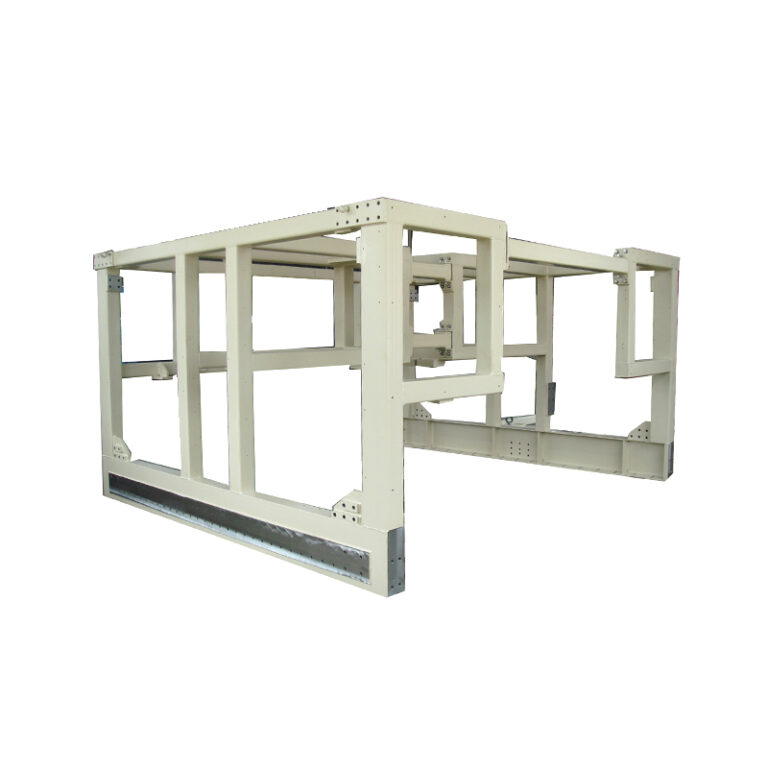
Modern industries depend on accuracy, durability, and reliability when manufacturing critical components. One of the most trusted solutions in precision engineering today is stainless steel cnc parts. These components are widely used across industries such as aerospace, automotive, medical devices, and electronics because they combine strength with corrosion resistance and long-term performance.
At Newtop Industry Group, advanced machining technologies and strict quality control processes are used to manufacture high-precision parts that meet global industry standards. With years of expertise in precision engineering, the company has become a trusted partner for businesses seeking reliable CNC-machined components.
This article explores the benefits, manufacturing process, applications, and reasons why stainless steel CNC machining continues to be a preferred solution in modern manufacturing.
What Are Stainless Steel CNC Parts?
Stainless steel cnc parts are precision components manufactured using Computer Numerical Control (CNC) machines. CNC technology allows engineers to control machining tools through programmed software, ensuring highly accurate and repeatable production.
Stainless steel is commonly chosen for CNC machining because it offers:
- High strength and durability
- Excellent corrosion resistance
- Heat and chemical resistance
- Long service life
- Attractive surface finish
These qualities make stainless steel ideal for manufacturing components that must perform in demanding environments.
Companies like Newtop Industry Group use advanced CNC milling, turning, and drilling processes to produce complex parts with tight tolerances.
Why Stainless Steel Is Ideal for CNC Machining
Stainless steel stands out among engineering materials because of its versatility and performance. When used in CNC machining, it offers several advantages that make it suitable for high-precision components.
1. Exceptional Strength and Durability
Stainless steel has a high tensile strength, allowing it to withstand mechanical stress and heavy loads. This makes it ideal for structural and mechanical components.
2. Corrosion Resistance
One of the key reasons industries choose stainless steel cnc parts is their ability to resist rust and corrosion. This property is especially important in industries exposed to moisture, chemicals, or extreme weather.
3. Heat Resistance
Stainless steel can maintain its mechanical properties even under high temperatures. This makes it suitable for applications in engines, industrial machinery, and energy systems.
4. Hygienic Properties
Stainless steel is easy to clean and resistant to bacterial growth. Because of this, it is widely used in medical equipment and food processing machinery.
5. Attractive Surface Finish
CNC machining produces a smooth and professional finish, making stainless steel components suitable for both functional and aesthetic applications.
At Newtop Industry Group, engineers carefully select stainless steel grades to match the performance requirements of each project.
CNC Machining Processes Used for Stainless Steel Components
Producing high-quality stainless steel cnc parts requires advanced equipment and skilled engineers. Several machining techniques are commonly used in precision manufacturing.
CNC Milling
CNC milling involves rotating cutting tools that remove material from a workpiece to create complex shapes and surfaces. This method is ideal for producing detailed geometries and multi-axis components.
CNC Turning
In CNC turning, the workpiece rotates while a cutting tool removes material to create cylindrical shapes. This process is commonly used for shafts, bushings, and threaded parts.
CNC Drilling
Drilling operations create precise holes required for assembly or fastening components.
Surface Finishing
After machining, additional processes may be applied, including:
- Polishing
- Sandblasting
- Passivation
- Electroplating
These finishing methods enhance corrosion resistance and improve the appearance of the final product.
Manufacturers such as Newtop Industry Group integrate these processes to ensure consistent quality and performance.
Common Stainless Steel Grades Used in CNC Machining
Different stainless steel grades offer varying mechanical and chemical properties. Selecting the correct material is critical for ensuring the durability of stainless steel cnc parts.
304 Stainless Steel
One of the most commonly used grades, known for:
- Excellent corrosion resistance
- Good formability
- Cost-effective performance
It is widely used in food processing equipment, medical instruments, and general engineering parts.
316 Stainless Steel
This grade contains molybdenum, which improves resistance to corrosion, especially in marine environments.
It is commonly used for:
- Marine hardware
- Chemical processing equipment
- Medical implants
17-4 PH Stainless Steel
This precipitation-hardening steel offers exceptional strength and hardness, making it ideal for aerospace and high-performance industrial components.
Experts at Newtop Industry Group help clients select the most suitable material based on application requirements and operating conditions.
Industrial Applications of Stainless Steel CNC Parts
Because of their reliability and durability, stainless steel cnc parts are widely used across multiple industries.
Aerospace Industry
Aircraft components require high strength and precise tolerances. Stainless steel parts are used in structural components, brackets, and engine systems.
Automotive Industry
In automotive manufacturing, stainless steel components are used for:
- Engine parts
- Exhaust systems
- Fuel system components
Medical Equipment
Medical devices require hygienic and corrosion-resistant materials. Stainless steel CNC components are used in surgical instruments, implants, and diagnostic equipment.
Electronics and Technology
Precision components in electronics often require small and highly accurate parts. CNC machining provides the precision required for these applications.
Energy and Industrial Machinery
Heavy machinery and energy systems rely on durable parts capable of operating under extreme conditions.
Manufacturers such as Newtop Industry Group support these industries by producing customized parts tailored to specific engineering requirements.
Advantages of Custom CNC Machining
One of the major benefits of CNC machining is the ability to produce fully customized components. Businesses often require unique designs that standard parts cannot meet.
Custom stainless steel cnc parts offer several advantages:
- Precise dimensions and tolerances
- Complex geometries
- Consistent quality across production batches
- Faster prototyping and product development
- Reduced assembly errors
By using advanced CAD and CAM software, companies like Newtop Industry Group can transform engineering designs into high-quality finished parts efficiently.
Quality Control in CNC Manufacturing
Quality assurance is critical in precision engineering. Even minor dimensional errors can affect the performance of mechanical systems.
Professional manufacturers implement strict quality control processes, including:
Material Inspection
Raw materials are tested to ensure they meet chemical composition and mechanical strength requirements.
Dimensional Measurement
Advanced inspection equipment such as Coordinate Measuring Machines (CMM) ensures that parts meet exact specifications.
Surface Finish Inspection
Surface quality and finishing processes are carefully checked to ensure durability and appearance.
Performance Testing
For certain applications, components undergo functional testing to verify strength and reliability.
At Newtop Industry Group, quality control is integrated throughout the production process to ensure each part meets customer expectations and international standards.
Choosing the Right CNC Manufacturing Partner
Selecting the right manufacturing partner is essential for ensuring product quality and reliability.
When choosing a supplier for stainless steel cnc parts, businesses should consider several factors:
- Experience in CNC machining
- Advanced manufacturing equipment
- Skilled engineering team
- Strict quality control systems
- Ability to provide customized solutions
Working with an experienced company reduces production risks and ensures consistent results.
Newtop Industry Group focuses on combining engineering expertise with modern manufacturing technology to deliver reliable precision components for global clients.
Future Trends in CNC Machining
CNC machining continues to evolve as industries demand greater precision and efficiency.
Some key trends shaping the future include:
Smart Manufacturing
Integration of AI, automation, and IoT technologies allows manufacturers to improve efficiency and reduce errors.
Advanced Materials
New stainless steel alloys are being developed to enhance performance in extreme environments.
Sustainable Manufacturing
Energy-efficient machines and recycling practices are becoming increasingly important in modern production facilities.
Companies like Newtop Industry Group continue to invest in innovative technologies to remain competitive in the global precision engineering market.
Conclusion
Precision manufacturing plays a vital role in modern industry, and stainless steel cnc parts remain one of the most reliable solutions for producing durable and high-performance components. Their strength, corrosion resistance, and versatility make them suitable for applications across aerospace, automotive, medical, and industrial sectors.
Through advanced CNC machining processes, manufacturers can produce complex and highly accurate parts that meet demanding engineering requirements.
With its strong commitment to quality, innovation, and customer satisfaction, Newtop Industry Group has established itself as a trusted provider of precision-engineered components. Businesses looking for reliable CNC machining solutions can benefit from the expertise and manufacturing capabilities offered by the company. If you are seeking high-quality stainless steel CNC components tailored to your project needs, partnering with Newtop Industry Group can help ensure precision, durability, and long-term performance.