
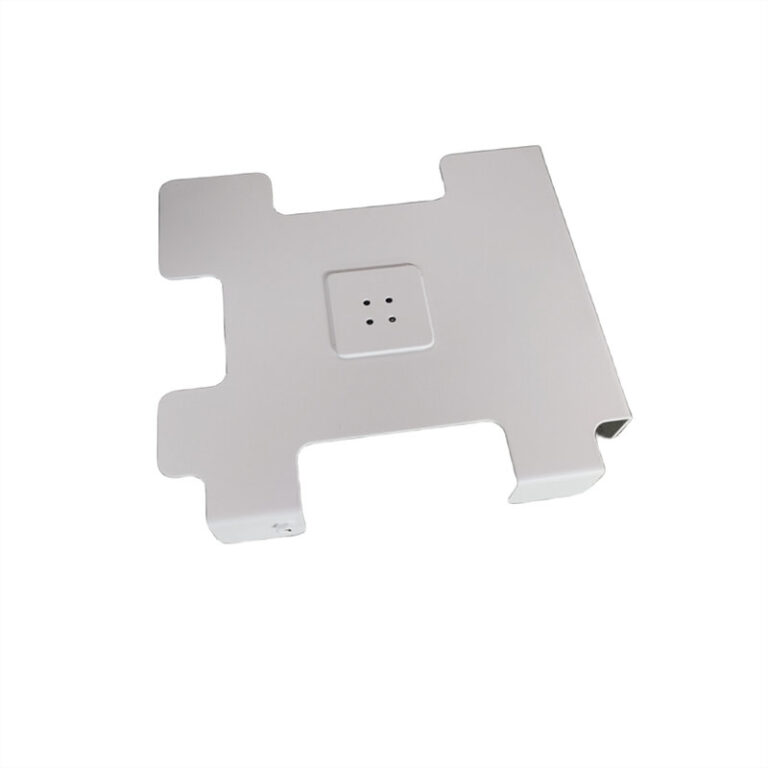
In today’s competitive manufacturing world, businesses need components that are precise, durable, and tailored to their exact needs. This is where custom metal fabrication becomes essential. Instead of relying on generic parts, manufacturers increasingly prefer custom-made metal components designed for their specific applications.
Companies across industries—from automotive and aerospace to construction and electronics—depend on specialized metal parts to ensure reliability and performance. With advanced technologies and skilled engineering teams, providers like Newtop Industry Group help businesses transform ideas into high-quality metal products. Their expertise in precision manufacturing allows organizations to create parts that perfectly match their technical requirements and production goals.
In this guide, we will explore what custom metal fabrication is, how it works, and why it plays a critical role in modern industrial production.
What Is Custom Metal Fabrication?
Custom metal fabrication is the process of designing, cutting, shaping, and assembling metal materials into specific components based on custom specifications. Unlike mass-produced parts, these components are built to meet exact design and performance requirements.
This process involves a combination of engineering design, specialized machinery, and skilled craftsmanship to create metal products tailored to unique industrial needs.
Common metals used in fabrication include:
- Stainless steel
- Aluminum
- Carbon steel
- Brass
- Copper
- Titanium
Fabrication methods vary depending on the complexity and purpose of the product. Manufacturers like Newtop Industry Group use modern fabrication technologies to produce components with tight tolerances and consistent quality.
Why Industries Rely on Custom Metal Fabrication
Many industries require parts that cannot be found in standard catalogs. Custom metal fabrication allows companies to develop components specifically designed for their equipment, structures, or products.
Here are some major advantages.
1. Perfect Fit for Unique Applications
Standard metal parts may not always meet the exact specifications needed for specialized machinery or equipment. Custom fabrication ensures that every part fits precisely within the system it is designed for.
2. Improved Product Performance
When components are designed specifically for their intended function, they perform better and last longer. This improves overall product efficiency and reliability.
3. Design Flexibility
One of the biggest benefits of custom metal fabrication is the freedom to create innovative designs. Engineers can experiment with shapes, materials, and configurations to develop more efficient solutions.
4. Higher Quality Control
Custom manufacturing processes allow tighter monitoring of production quality. Companies like Newtop Industry Group implement strict inspection procedures to ensure every component meets industry standards.
Key Processes in Custom Fabrication
Metal fabrication involves multiple steps that transform raw materials into finished products. Each stage requires specialized tools and expertise.
Metal Cutting
Cutting is the first step in most fabrication projects. Modern methods include:
- Laser cutting
- Plasma cutting
- Waterjet cutting
- CNC machining
These technologies ensure accurate cuts with minimal material waste.
Metal Forming
After cutting, metals are shaped using various techniques such as:
- Bending
- Rolling
- Stamping
- Press forming
These processes allow manufacturers to create complex shapes required for specialized parts.
Welding and Assembly
Once the parts are formed, they are assembled using welding or fastening techniques. Welding ensures strong, durable joints that can withstand demanding industrial conditions.
Surface Finishing
The final stage improves durability and appearance. Finishing methods may include:
- Powder coating
- Polishing
- Anodizing
- Sandblasting
High-quality finishing protects the metal from corrosion and enhances its lifespan.
Industries That Benefit from Custom Fabrication
The demand for custom metal fabrication continues to grow as industries require more specialized components. Some of the major sectors that rely on fabricated metal parts include:
Automotive Industry
Automotive manufacturers require precision components for engines, frames, and structural parts. Custom fabrication helps ensure performance, safety, and durability.
Aerospace Industry
Aircraft components must meet extremely strict quality and safety standards. Custom fabrication allows engineers to create lightweight yet strong metal structures.
Construction and Architecture
Architectural metal structures, support beams, and decorative elements often require custom fabrication to match building designs.
Electronics Manufacturing
Electronic devices rely on small, precise metal components such as brackets, housings, and connectors.
Industrial Machinery
Factories depend on specialized machine parts that are often custom-built to support specific production processes.
By providing tailored solutions, companies like Newtop Industry Group help industries meet their technical and operational demands.
The Role of Technology in Modern Metal Fabrication
Advances in manufacturing technology have significantly improved the efficiency and precision of custom metal fabrication.
CNC Machining
Computer Numerical Control (CNC) machines allow fabricators to create complex parts with extremely high accuracy. These machines follow digital designs to produce consistent results.
Laser Cutting Technology
Laser cutting provides clean edges and precise shapes, making it ideal for intricate metal components.
3D CAD Design
Modern fabrication begins with digital design software. Engineers create 3D models that simulate how a part will perform before production even begins.
Automation and Robotics
Automation helps improve speed, reduce errors, and maintain consistent quality across large production runs.
Manufacturers like Newtop Industry Group use advanced equipment and engineering expertise to ensure each project meets modern industrial standards.
Choosing the Right Metal Fabrication Partner
Selecting the right fabrication partner is essential for achieving high-quality results. Businesses should consider several factors before choosing a provider.
Engineering Expertise
A reliable fabrication company should have experienced engineers who understand material properties, manufacturing processes, and design requirements.
Advanced Equipment
Modern machinery ensures accuracy and efficiency. Companies with advanced production capabilities can handle both simple and complex projects.
Quality Assurance
Quality control processes are critical in fabrication. Inspections and testing ensure that every part meets industry specifications.
Customization Capability
A good fabrication partner should offer flexible manufacturing solutions tailored to the customer’s needs.
With extensive experience in manufacturing precision components, Newtop Industry Group provides dependable solutions that meet diverse industry requirements.
Sustainability in Metal Fabrication
Sustainability is becoming increasingly important in modern manufacturing. The custom metal fabrication industry is adopting environmentally responsible practices to reduce waste and energy consumption.
Key sustainable approaches include:
- Recycling metal materials
- Using energy-efficient equipment
- Minimizing production waste
- Implementing optimized manufacturing processes
Metal is highly recyclable, making fabrication an environmentally friendly manufacturing option when managed responsibly.
Companies committed to sustainable production, such as Newtop Industry Group, help businesses reduce environmental impact while maintaining high-quality manufacturing standards.
Future Trends in Custom Fabrication
The future of custom metal fabrication will be shaped by innovation and advanced technologies. Several trends are expected to influence the industry in the coming years.
Smart Manufacturing
Factories are increasingly integrating data analytics and digital monitoring systems to improve production efficiency.
Lightweight Materials
Industries like aerospace and automotive are focusing on lighter yet stronger metal components to improve fuel efficiency and performance.
Rapid Prototyping
Advanced design tools and prototyping technologies allow manufacturers to develop and test new components faster.
Global Manufacturing Partnerships
Businesses are increasingly partnering with specialized manufacturers worldwide to access advanced fabrication capabilities and cost-efficient production.
By staying ahead of technological developments, companies such as Newtop Industry Group continue to support modern industries with innovative metal solutions.
Conclusion
As industries evolve and products become more complex, the need for precision-engineered components continues to grow. Custom metal fabrication offers businesses the flexibility, accuracy, and durability required to create specialized parts that standard manufacturing cannot provide.
From automotive and aerospace applications to construction and industrial equipment, custom fabrication enables manufacturers to achieve higher performance and reliability. By combining advanced technology with expert craftsmanship, companies can develop metal components tailored to their exact specifications.
With extensive experience in precision manufacturing, Newtop Industry Group provides dependable fabrication services designed to meet the unique needs of modern industries. Businesses looking for high-quality metal components can benefit from partnering with a trusted manufacturer that understands both engineering precision and industry demands. If your project requires expertly engineered metal parts, working with an experienced provider like Newtop Industry Group can help turn your ideas into reliable, high-performance solutions.