
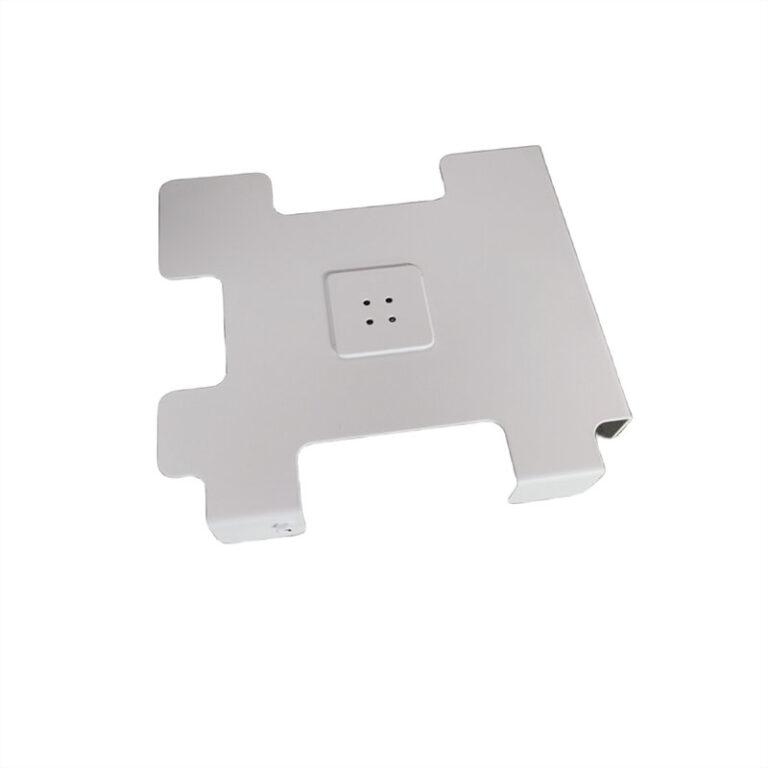
In today’s competitive manufacturing environment, sheet metal processing plays a vital role in shaping industries such as automotive, construction, electronics, and heavy engineering. From small brackets to large structural components, the quality of metal processing directly impacts product strength, durability, and performance.
Newtop Industry Group has built a strong reputation by delivering reliable and efficient solutions for manufacturers seeking consistency, precision, and scalability. With modern machinery, skilled engineering teams, and a customer-focused approach, the brand continues to support businesses that demand high standards in metal fabrication and processing.
This guide will walk you through what sheet metal processing is, why it matters, key techniques, benefits, challenges, and how to choose the right partner for long-term success.
What Is Sheet Metal Processing?
Sheet metal processing refers to a set of manufacturing techniques used to transform flat metal sheets into functional components or finished products. These processes convert raw sheets into shapes, parts, and assemblies that fit specific industrial needs.
Commonly Used Materials
Manufacturers work with different types of metals based on application and performance requirements:
- Mild steel
- Stainless steel
- Aluminum
- Copper
- Galvanized steel
Each material offers different properties such as corrosion resistance, strength, flexibility, and weight.
Key Objectives of Sheet Metal Processing
The main goals include:
- Achieving accurate dimensions
- Maintaining consistent quality
- Reducing material waste
- Improving production efficiency
- Ensuring surface finish and durability
Why Sheet Metal Processing Matters in Modern Manufacturing
Industries today demand high precision, faster turnaround, and cost-effective production. Sheet metal processing supports these needs by enabling:
- Mass production with consistent quality
- Custom fabrication for specialized components
- Rapid prototyping for product development
- Scalable manufacturing for growing businesses
Newtop Industry Group focuses on helping manufacturers meet these goals through reliable engineering practices and advanced processing capabilities.
Core Sheet Metal Processing Techniques
Different processes are used depending on the design, material, and end-use of the product.
1. Cutting
Cutting is the first step in shaping sheet metal. It defines the base structure of the component.
Common cutting methods include:
- Laser cutting for high precision
- Plasma cutting for thicker sheets
- Shearing for straight cuts
- Waterjet cutting for heat-sensitive materials
2. Bending and Forming
Bending shapes flat sheets into angles and curves. This step is essential for creating frames, enclosures, panels, and structural parts.
Typical applications:
- Cabinets and enclosures
- Brackets and frames
- Chassis and housings
3. Punching and Stamping
Punching and stamping create holes, slots, and patterns in metal sheets. These processes are widely used in mass production.
Benefits include:
- High-speed production
- Consistent results
- Cost efficiency for large volumes
4. Welding and Assembly
After shaping, parts are joined together using welding or fastening techniques.
Assembly ensures:
- Structural integrity
- Functional accuracy
- Long-term durability
5. Surface Treatment and Finishing
Finishing improves both appearance and performance.
Common finishing options:
- Powder coating
- Painting
- Polishing
- Galvanizing
Key Benefits of Advanced Sheet Metal Processing
Modern sheet metal processing delivers measurable advantages to manufacturers across industries.
Improved Precision and Quality
Advanced machines and controlled processes ensure tight tolerances and consistent dimensions, reducing errors and rework.
Faster Production Cycles
Automation and optimized workflows shorten production timelines, helping businesses meet tight deadlines.
Cost Efficiency
Efficient material usage and reduced waste lead to better cost control, especially in high-volume production.
Design Flexibility
Manufacturers can create complex designs, customized parts, and lightweight structures without compromising strength.
Scalability
From small batches to large-scale production, sheet metal processing supports business growth without major changes in workflow.
Newtop Industry Group integrates these benefits into its service approach, ensuring customers achieve both performance and value.
Applications Across Industries
Sheet metal processing is used in a wide range of sectors:
- Automotive: Body panels, brackets, structural components
- Construction: Roofing sheets, frames, cladding systems
- Electrical & Electronics: Enclosures, cabinets, panels
- Industrial Machinery: Machine covers, housings, frames
- HVAC Systems: Ducts, vents, and air handling units
Each application requires a tailored approach based on material type, thickness, and performance requirements.
Challenges in Sheet Metal Processing and How to Overcome Them
Despite its advantages, sheet metal processing comes with certain challenges:
Material Distortion
Heat from cutting or welding can cause warping. Using controlled processes and proper cooling methods helps maintain shape accuracy.
Maintaining Consistent Quality
Quality can vary without proper process control. Standardized procedures and regular inspections reduce variability.
Tool Wear and Maintenance
Worn tools affect precision. Preventive maintenance and timely replacement ensure consistent performance.
Production Bottlenecks
Inefficient workflow design can slow down production. Optimizing process flow and integrating automation improves efficiency.
Newtop Industry Group addresses these challenges through structured quality systems, skilled technicians, and modern equipment.
How to Choose the Right Sheet Metal Processing Partner
Selecting the right manufacturing partner directly impacts your product quality and delivery timelines.
What to Look For
- Proven industry experience
- Modern machinery and technology
- Strong quality control systems
- Transparent communication
- Customization capabilities
Questions to Ask Before Partnering
- Can they handle both small and large production volumes?
- Do they offer design support and prototyping?
- How do they ensure consistent quality?
- What is their typical turnaround time?
A reliable partner not only delivers parts but also contributes to your long-term manufacturing success. Newtop Industry Group positions itself as a dependable partner for businesses seeking sustainable growth through efficient metal processing solutions.
Best Practices for Optimizing Sheet Metal Processing
To get the most value from sheet metal processing, manufacturers should follow these best practices:
- Design parts with manufacturability in mind
- Select materials based on application needs
- Use standardized components where possible
- Implement regular quality checks
- Continuously improve production workflows
These practices reduce production costs and improve product performance over time.
The Future of Sheet Metal Processing
The industry is evolving with the adoption of digital manufacturing and automation.
Key Trends
- Smart factories and data-driven production
- Automation and robotics
- Energy-efficient machinery
- Sustainable material usage
- Integration of design and manufacturing software
These trends are shaping a more efficient, flexible, and sustainable future for sheet metal processing worldwide.
Conclusion: Building Stronger Manufacturing with the Right Partner
Sheet metal processing is the backbone of modern manufacturing, enabling industries to produce durable, precise, and cost-effective components. From cutting and bending to finishing and assembly, every step plays a critical role in product quality and performance.
Newtop Industry Group continues to support manufacturers with reliable solutions, advanced capabilities, and a commitment to consistent quality. By choosing the right processing partner and following best practices, businesses can improve efficiency, reduce costs, and stay competitive in a fast-changing industrial landscape. If you’re planning to enhance your manufacturing operations or explore smarter processing solutions, partnering with Newtop Industry Group can be a strong step toward long-term success.