
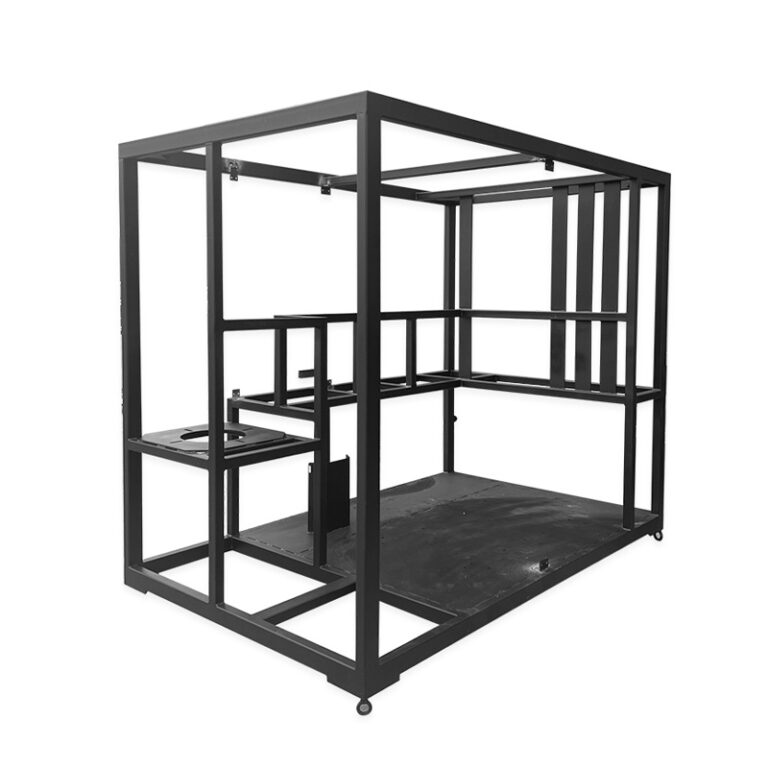
Infrastructure is the backbone of any modern economy. From bridges and highways to airports, power plants, and industrial complexes, strong and reliable structures enable societies to function, grow, and innovate. At the heart of this vast network of construction lies a critical process that shapes raw metal into usable components: steel fabrication. Without it, today’s large-scale infrastructure projects would simply not be possible.
In China, where rapid urbanization and industrial expansion continue to reshape skylines, the demand for high-quality fabricated steel has never been higher. Companies like Newtop Industry Group play an essential role in supplying precisely engineered steel components that support national development goals. This webpage explores why steel fabrication is so vital to infrastructure development, how it contributes to strength, safety, efficiency, and sustainability, and why it remains a cornerstone of modern construction.
Understanding Steel Fabrication
Steel fabrication is the process of transforming raw steel into finished products or components that are ready for installation in construction projects. It involves cutting, bending, welding, machining, and assembling steel into beams, columns, frames, trusses, plates, and other structural elements.
Unlike standard mass production, fabrication is often customized. Each project may require unique dimensions, shapes, and tolerances. This precision ensures that the fabricated components fit perfectly into the overall structural design, minimizing errors during construction and improving long-term performance.
For infrastructure projects, this process is not merely about shaping metal; it is about engineering strength, accuracy, and durability into every piece of steel used.
The Role of Steel in Infrastructure
Steel is one of the most widely used construction materials in the world, and for good reason. It offers an unmatched combination of strength, flexibility, and longevity.
1. Strength and Load-Bearing Capacity
Steel can support enormous loads while maintaining structural integrity. This makes it ideal for bridges, high-rise buildings, railway systems, and industrial facilities. Fabricated steel components are engineered to withstand not only static loads but also dynamic forces such as wind, earthquakes, and heavy traffic.
2. Design Flexibility
Modern infrastructure often features complex designs that require materials capable of adapting to unique architectural and engineering demands. Fabricated steel allows designers to create long spans, curved structures, and intricate frameworks that would be difficult or impossible with traditional materials.
3. Durability and Longevity
Properly fabricated and treated steel resists corrosion, fatigue, and environmental damage. This durability reduces maintenance costs and extends the lifespan of infrastructure assets.
These qualities make steel an indispensable material, and fabrication is the process that unlocks its full potential.
Why Steel Fabrication Is Essential for Infrastructure Development
Precision Engineering for Large-Scale Projects
Infrastructure projects demand exact measurements and consistent quality. Even minor inaccuracies can lead to misalignment, structural weaknesses, or costly delays. Through advanced fabrication techniques, steel components are produced to precise specifications.
This precision ensures seamless integration on-site, reducing the need for adjustments and rework. As projects grow in scale and complexity, the importance of accurate fabrication becomes even more critical.
Speed and Efficiency in Construction
Time is a major factor in infrastructure development. Delays can disrupt economic activity, inflate costs, and create public inconvenience. Prefabricated steel components accelerate construction by allowing large portions of a structure to be assembled off-site.
When these components arrive at the construction site, they are ready for installation, significantly shortening project timelines. This efficiency is one of the reasons steel fabrication is favored for bridges, stadiums, transportation hubs, and industrial plants.
Enhanced Structural Safety
Safety is non-negotiable in infrastructure. Fabricated steel components undergo rigorous quality checks to ensure they meet engineering standards and safety regulations. High-quality welding, precise cutting, and controlled manufacturing conditions all contribute to stronger, more reliable structures.
This level of control reduces the risk of structural failure and ensures that infrastructure can safely serve communities for decades.
Supporting China’s Rapid Infrastructure Growth
China’s infrastructure development is among the most ambitious in the world. High-speed rail networks, mega-bridges, smart cities, and advanced industrial zones require vast quantities of engineered steel.
Companies like Newtop Industry Group contribute to this growth by providing reliable fabrication services tailored to the demands of modern construction. By combining advanced machinery, skilled technicians, and strict quality management, they help deliver steel components that meet both national and international standards.
The scalability of steel fabrication allows manufacturers to handle projects ranging from small municipal developments to massive national infrastructure initiatives.
Technological Advancements in Steel Fabrication
Modern fabrication is far more advanced than traditional methods. Today’s facilities use a combination of digital design tools, automated machinery, and precision engineering techniques.
Computer-Aided Design (CAD) and Modeling
Engineers create detailed digital models of steel components before fabrication begins. This allows for accurate visualization, structural analysis, and optimization of material usage.
CNC Cutting and Machining
Computer-controlled machines cut and shape steel with exceptional accuracy. This reduces material waste and ensures consistent quality across large production runs.
Robotic Welding
Automated welding systems produce strong, uniform welds, improving both the strength and appearance of fabricated components.
These technologies not only enhance quality but also improve productivity, making steel fabrication more efficient and cost-effective than ever before.
Sustainability and Environmental Benefits
Sustainability is a growing concern in infrastructure development, and steel fabrication plays a key role in reducing environmental impact.
Recyclability
Steel is one of the most recyclable materials in the world. Fabricated steel components can be reused or recycled at the end of their service life, minimizing waste and conserving natural resources.
Reduced On-Site Waste
Off-site fabrication allows for better material management and waste control. Scrap steel generated during fabrication can be recycled directly within the manufacturing facility.
Energy Efficiency
Modern fabrication plants use energy-efficient machinery and optimized production processes, reducing the overall carbon footprint of steel production.
By supporting sustainable construction practices, steel fabrication aligns with global efforts to build environmentally responsible infrastructure.
Quality Assurance in Steel Fabrication
Quality is the foundation of successful infrastructure projects. Reliable fabrication requires strict quality control at every stage of production.
Material Selection
High-grade steel is selected based on the specific requirements of each project, ensuring the right balance of strength, flexibility, and corrosion resistance.
Inspection and Testing
Fabricated components undergo non-destructive testing, dimensional checks, and visual inspections to verify their integrity and accuracy.
Compliance with Standards
Reputable manufacturers adhere to national and international standards, ensuring that their products meet regulatory and safety requirements.
At Newtop Industry Group, quality assurance is an integral part of the fabrication process, reflecting a commitment to delivering dependable steel solutions for infrastructure development.
Applications of Fabricated Steel in Infrastructure
Fabricated steel is used across a wide range of infrastructure projects, including:
- Bridges and Flyovers: Structural beams, trusses, and girders
- Transportation Hubs: Airport terminals, railway stations, and metro systems
- Industrial Facilities: Factories, power plants, and refineries
- Commercial Buildings: High-rise structures, malls, and office complexes
- Energy Infrastructure: Wind turbines, transmission towers, and substations
In each of these applications, steel fabrication ensures that components are tailored to specific structural and environmental requirements.
Economic Impact of Steel Fabrication
Beyond its technical importance, steel fabrication also has a significant economic impact.
Job Creation
Fabrication facilities employ engineers, technicians, welders, machinists, and quality inspectors, contributing to workforce development.
Industrial Growth
A strong fabrication industry supports construction, transportation, and manufacturing sectors, driving overall economic growth.
Cost Optimization
Efficient fabrication reduces material waste, construction delays, and maintenance costs, delivering long-term value for infrastructure investors.
In China’s rapidly evolving economy, a robust fabrication sector is essential for sustaining infrastructure expansion and industrial competitiveness.
Choosing the Right Fabrication Partner
Selecting a reliable fabrication partner is crucial for the success of any infrastructure project. Key factors to consider include:
- Technical Expertise: Experience with complex projects and advanced fabrication techniques
- Production Capacity: Ability to handle large volumes and tight timelines
- Quality Standards: Strong quality control and certification compliance
- Customization Capability: Flexibility to meet unique design requirements
- Reputation and Track Record: Proven performance in infrastructure projects
Newtop Industry Group combines these qualities to deliver dependable steel solutions for domestic and international clients.
The Future of Steel Fabrication in Infrastructure
As infrastructure demands continue to evolve, so will fabrication technologies and practices. Future trends include:
- Increased automation and digitalization
- Greater use of high-strength and lightweight steel alloys
- Integration of smart manufacturing systems
- Enhanced sustainability initiatives
These advancements will further strengthen the role of steel fabrication in shaping the cities, transportation networks, and industrial systems of tomorrow.
Conclusion
Infrastructure development depends on materials and processes that deliver strength, precision, and long-term reliability. Steel, with its exceptional structural properties, has become the foundation of modern construction. However, it is the fabrication process that transforms raw steel into engineered components capable of supporting ambitious infrastructure projects.
From precision engineering and construction efficiency to sustainability and economic impact, steel fabrication plays a central role in building the world around us. In China’s fast-growing infrastructure landscape, companies like Newtop Industry Group continue to contribute to national progress by providing high-quality fabricated steel solutions. As technology advances and sustainability becomes increasingly important, the significance of steel fabrication in infrastructure development will only continue to grow. By investing in quality fabrication and reliable manufacturing partners, developers and governments can ensure that today’s infrastructure stands strong for generations to come.